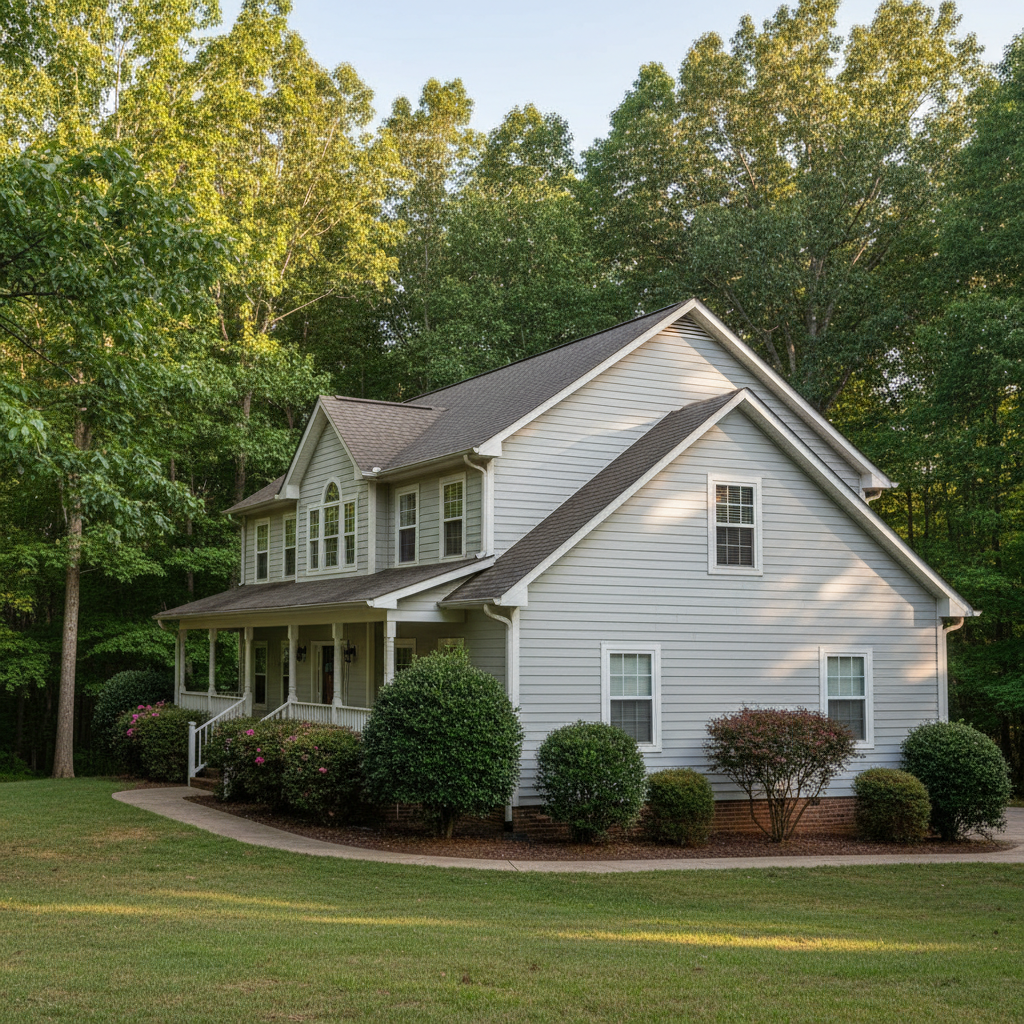
Finding a good siding contractor for your home here in Sevierville can feel like a shot in the dark sometimes. You want someone who knows their stuff, does quality work, and won't leave you hanging. I've been in this business a long time, and I've seen it all. So, let's talk about how you can protect yourself and make sure you hire the right crew for your siding project.
Questions to Ask Every Siding Contractor
When a contractor comes out to give you an estimate, don't be shy. You're interviewing them, not the other way around. Here are the crucial questions you need to hit them with:
- Are you licensed and insured? This isn't just a formality; it's protection for you, plain and simple. If they're not, and someone gets hurt on your property or damages your home, you could be on the hook for it. Ask for proof, not just a verbal 'yes.'
- How long have you been in business? Experience matters, especially around here. A company that's been around for a while, particularly in our local Sevierville climate with its humid summers and occasional heavy snows, knows how to handle the challenges.
- Can you provide references? And I don't mean just one or two. Ask for three to five recent clients you can actually call. Ask those folks about communication, how the project timeline went, and how they handled cleanup.
- What's your warranty on labor and materials? A good contractor stands behind their work. Understand what's covered and for how long, because you don't want surprises later.
- Who will be doing the actual work? Your employees or subcontractors? This is a big one. Some companies sub out everything, which isn't always bad, but you need to know who's responsible if there's an issue. If it's subs, ask about their vetting process.
- How do you handle unforeseen issues? Things happen. You might uncover rotten sheathing or unexpected electrical work once the old siding comes off. A solid contractor will have a clear process for communicating these issues and getting your approval for any changes.
- What's your payment schedule? Never pay for the whole job upfront. A typical schedule might be a deposit, progress payments as work gets done, and a final payment upon completion and your satisfaction.
What to Look For in a Quote
You'll probably get a few quotes, and they won't all look the same. Don't just compare the bottom line, though; dig into the details:
- Detailed Scope of Work: Does it clearly list everything? What type of siding, brand, color, and specific materials (like house wrap, trim, flashing)? It should outline tear-off, disposal, and any repairs.
- Line-Item Costs: A good quote breaks down materials, labor, and any other charges. This helps you understand where your money is going and compare apples to apples.
- Permits: Who's responsible for pulling the necessary permits? In Sevierville, you'll need one for major exterior work. It should be the contractor, not you.
- Cleanup: Make sure it explicitly states that they'll clean up the job site daily and do a thorough final cleanup, including magnet sweeping for nails.
- Payment Terms: Reiterate the payment schedule we talked about earlier.
Red Flags You Can't Ignore
Some things should make you walk away, no matter how good the price seems:
- High-pressure sales tactics: