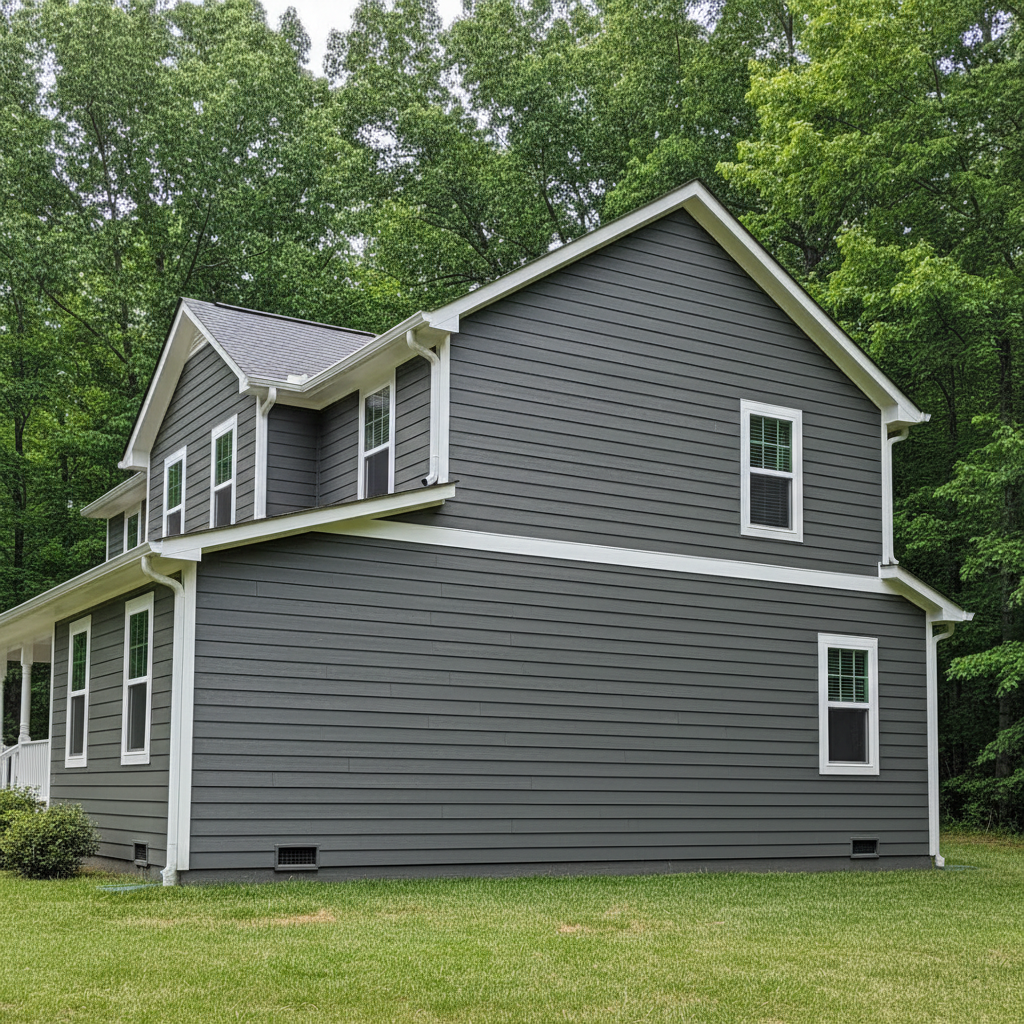
You've put good money into your home's siding, whether it's a brand-new build or you just had it replaced. Naturally, you want it to last, right? Here in Sevierville, with our sweltering, humid summers and those sometimes-icy winters, siding really takes a beating. But with just a little regular TLC, you can seriously stretch its lifespan and keep your home looking sharp for years.
Making Your Siding Last Longer
This isn't rocket science, but a few simple habits make a huge difference. First off, keep an eye on your landscaping. Trees and bushes are lovely, sure, but if they're constantly rubbing against your siding, they'll scratch it, abrade it, and hold moisture right up against the material. I've seen plenty of homes up around Pittman Center where overgrown shrubs have literally worn through paint and even the siding itself over time. So, trim them back, giving your siding at least six to twelve inches of breathing room. Seriously, it helps.
Good drainage is another big one. Make sure your gutters are clean and actually working, directing water away from your foundation and siding. If water keeps splashing up from the ground onto your lower siding panels, you're just asking for trouble, especially if you have wood or fiber cement. Maybe think about adding splash blocks or extending your downspouts.
Oh, and don't forget about paint or sealant. If you've got wood siding, or even certain fiber cement products, keeping that protective layer in good shape is super important. It's the first line of defense against moisture and those harsh UV rays. Don't wait until it's peeling everywhere; a fresh coat every 5-10 years, depending on the product, can save you a much bigger headache later on.
Regular Upkeep: What You Should Do
Okay, so what does "regular maintenance" actually involve? It's probably simpler than you're imagining.
- Clean it every year: At least once a year, give your siding a good wash. Usually, a soft brush and a garden hose with some mild detergent will do the trick. For tougher grime, you can use a low-pressure power washer, but be extra careful. Too much pressure, especially on vinyl or older wood siding, can force water behind the panels or damage the material. You definitely don't want to blast off paint or loosen seams.
- Check for pests: Our area is full of critters, isn't it? Wasps love to build nests under eaves, and carpenter bees can really mess up wood trim. Termites are always a concern, too. While you're cleaning, look for any signs of insect activity.
- Inspect caulk and sealants: Pay close attention to areas around windows, doors, and where different materials meet. Caulk dries out and cracks over time, and even a small crack can let in a lot of water. Re-caulk as needed to keep that watertight seal.
- Look at your fasteners: Sometimes nails or screws can pop out, especially with temperature changes. If you spot any loose fasteners, gently tap them back in or replace them.
Signs of Trouble
Don't wait for a disaster to happen. Your siding will usually give you clues when something's wrong. Here's what to keep an eye out for:
- Cracks, chips, or holes: Obvious damage means your siding isn't protecting your home anymore. This is especially critical with fiber cement or wood.
- Fading or discoloration: While some fading is normal over many years, uneven fading or significant discoloration might point to sun damage or moisture issues.
- Warping, buckling, or bowing: This often happens with vinyl siding if it wasn't installed correctly or if it's getting too hot. It can also happen with wood if there's a moisture problem.
- Mold, mildew, or rot: Any dark spots, fuzzy growth, or soft areas (especially on wood) signal that moisture is present where it shouldn't be. This is a big red flag, folks.
- Loose panels or boards: If you can see gaps or panels flapping in the wind, water is definitely getting behind them.
- Peeling paint: On painted siding, this almost always means moisture is getting in somewhere, either from behind or the surface isn't repelling water anymore.
When to Call a Pro
You can handle a lot of the basic maintenance yourself, but there are times when you really need to bring in someone who knows their stuff. If you see any of those serious warning signs like significant rot, widespread warping, or if you suspect water is getting behind your siding and causing structural damage, don't hesitate. A small leak can quickly turn into a huge repair bill if you let it go.
Also, if you're not comfortable on a ladder, or if your home has multiple stories, it's just safer to hire someone for cleaning and inspections. We're up there all the time, so we know what to look for and how to do it safely. Here at Apex Siding, we're always happy to come out and take a look if you're worried about something. Catching problems early is always the best way to save money and keep your home protected.