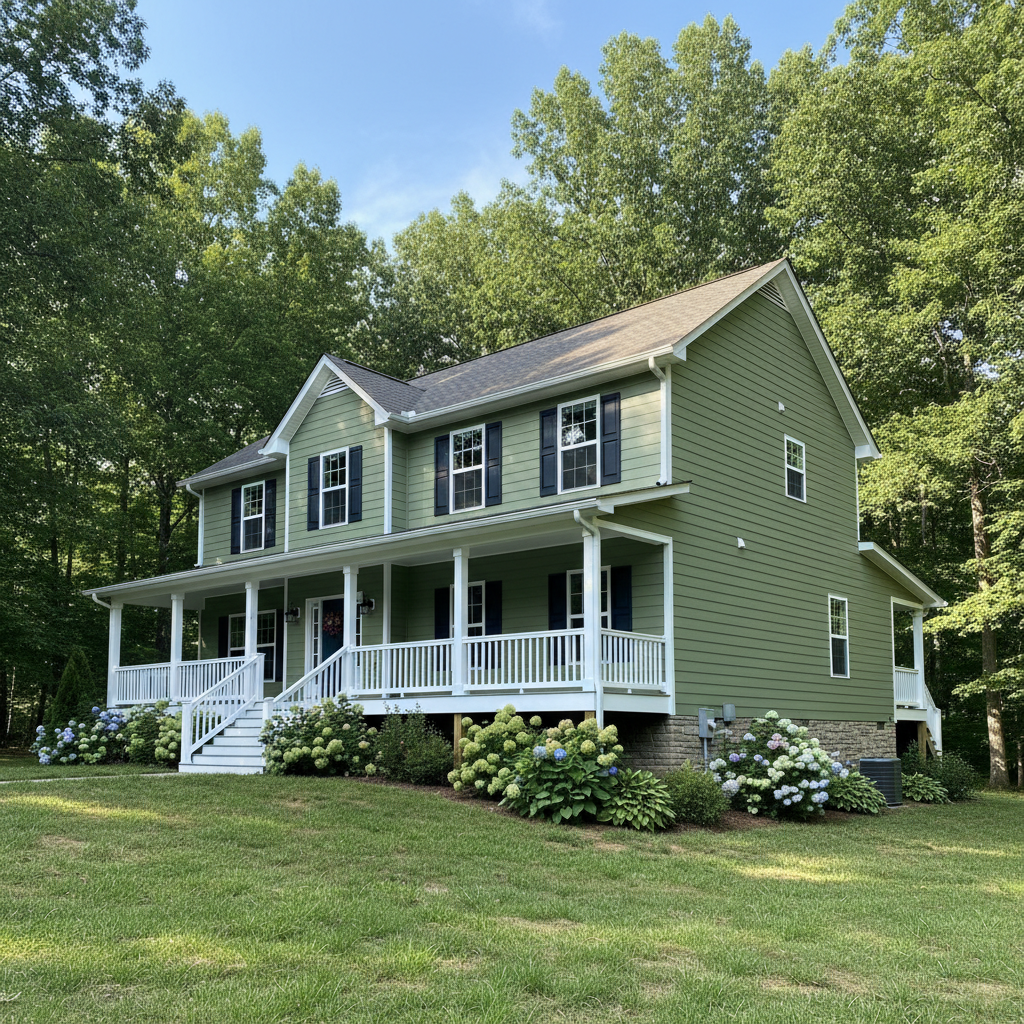
When's the best time to get new siding put on your house here in Sevierville? That's a question I get a lot, and honestly, it's a really good one. Our weather around the Smokies isn't always predictable, is it? What works for a contractor up north might not be ideal for us down here. Getting the timing right can save you headaches, time, and even some money in the long run.
Why Timing Matters for Siding Installation
You might think siding is just siding, and you can put it up any time. Not quite. Different siding materials react differently to temperature and humidity. Take vinyl siding, for instance: it expands and contracts a fair bit with temperature changes. If we install it on a super cold day, it'll expand a lot when it gets warm, potentially buckling. Install it on a really hot day, and it might pull tight and shrink, leaving gaps when it cools off. We always account for this with expansion gaps, but extreme temperatures make that job harder and, frankly, less precise.
Fiber cement siding, like the James Hardie products we often install, is pretty stable. But it's heavy. Hauling and cutting it in icy conditions isn't just tough on the crew; it can be less safe. Plus, if we're painting it on-site, those paint manufacturers have specific temperature and humidity ranges for proper adhesion and curing. You definitely don't want your new paint peeling off after a year because it was applied in the wrong conditions.
Then there's the crew's comfort and safety. Working on ladders and scaffolding in freezing rain or blistering heat isn't just unpleasant; it's downright dangerous. We take safety seriously at Apex Siding, and good working conditions mean a better, more careful installation for you.
The Best Times to Schedule Your Project
Generally, I tell folks that spring and fall are your best bets. The temperatures are usually moderate then, not too hot, not too cold. We're talking somewhere between 45 and 85 degrees Fahrenheit. This allows materials to behave predictably and gives sealants and paints the right conditions to cure properly.
- Spring (March to May): This is after the last of the winter chill, but before the scorching summer heat and pop-up thunderstorms really kick in. You might get some rainy days, sure, but we can usually work around those.
- Fall (September to November): Once the summer humidity breaks, and before the real cold sets in. It's often beautiful weather for working outdoors.
Summer can work, especially if we get an early start to beat the afternoon heat. But those July and August days where it's 95 degrees with 90% humidity? That's tough on everyone and everything. Winter is definitely the hardest. While we can sometimes do jobs in winter, especially if it's a mild one, you risk delays from snow, ice, or just plain freezing temperatures that make material handling and installation tricky.
Weather Conditions That Can Delay Work
Even in the ideal seasons, Mother Nature can throw us curveballs. Here's what can put a pause on your siding project:
- Heavy Rain: We can't work in a downpour. It's unsafe, and water can get behind the house wrap or into exposed sheathing, which we absolutely want to avoid.
- High Winds: Especially with taller homes or multi-story structures, high winds make working on ladders or scaffolding dangerous. Plus, large sheets of siding can become sails — not good.
- Freezing Temperatures: Below freezing, some adhesives and caulks just won't cure correctly. Vinyl can also become brittle and crack when cut or nailed.
- Extreme Heat & Humidity: As I mentioned, it affects material expansion and contraction, and it's just not safe for the crew to be out in that all day.
We're always watching the forecast. If we need to reschedule a day or two, it's not because we're slacking; it's because we want to ensure your siding is installed perfectly and safely.
Protecting Your Investment Year-Round
Once your new siding is up, you'll want to keep it looking good and performing its best. Here are a few things to keep in mind, no matter the season:
- Regular Cleaning: A good wash once a year, or every couple of years, can do wonders. Just a soft brush and a garden hose, maybe some mild detergent. Watch out for mildew, especially on the north side of your home or in shaded areas — that's common with all the trees we have around here, even in neighborhoods like those up near the Sevierville Golf Club.
- Trim Shrubs & Trees: Keep any landscaping trimmed back from your siding. Branches rubbing against it can scratch or damage the surface, and dense foliage can trap moisture, leading to mildew or rot.
- Check Gutters & Downspouts: Make sure they're clear and directing water away from your home. Overflowing gutters can dump water directly onto your siding, which isn't good for any material over time.
- Inspect for Damage: After a big storm, or just a couple of times a year, walk around your house. Look for loose panels, cracks, or anything that looks out of place. Catching small issues early can prevent bigger, more expensive problems down the road.
Getting new siding is a big deal, and choosing the right time for installation is a key part of making sure it lasts. If you're thinking about a project, give us a call at Apex Siding. We can talk through the best plan for your home and our Sevierville weather.