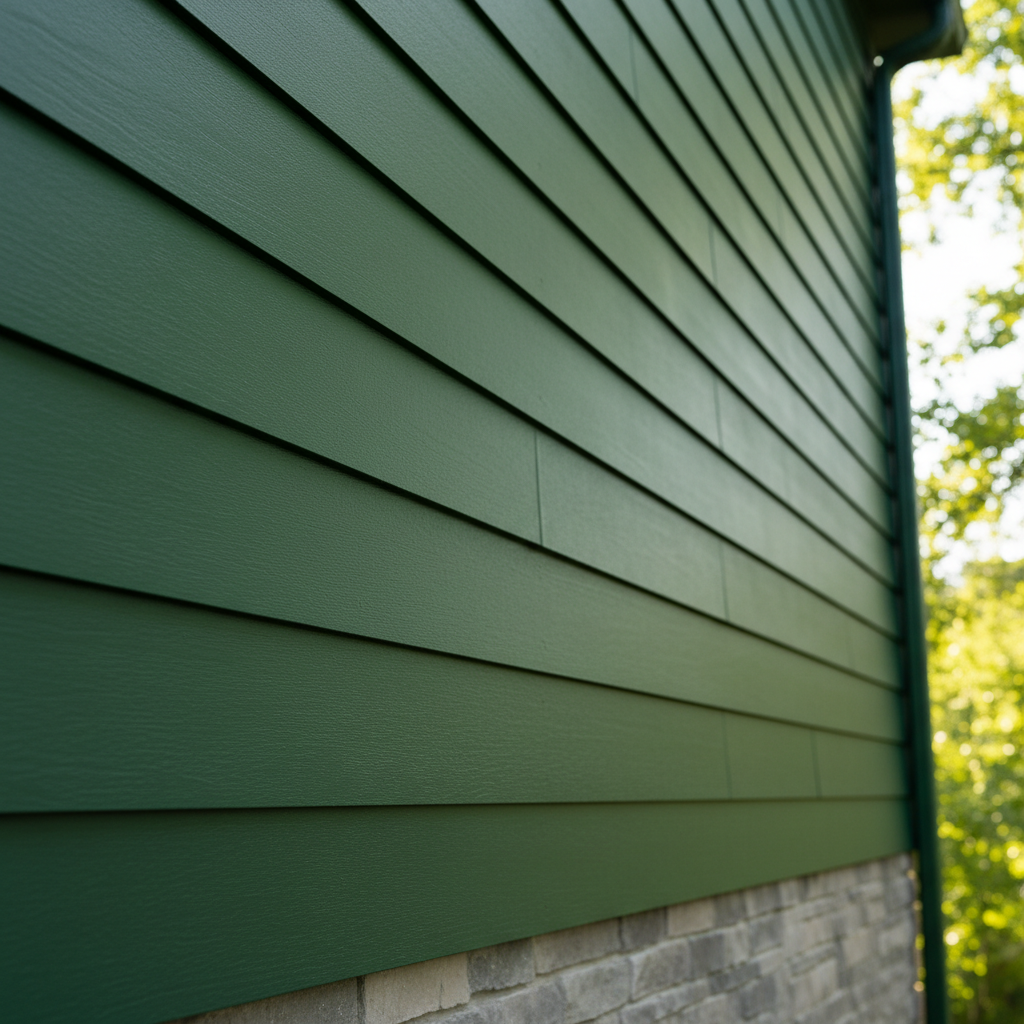
Alright, let's talk siding. You're probably reading this because you've noticed some issues with your home's exterior, maybe some warped boards, faded color, or even a few holes from critters. Or maybe you're just tired of looking at the same old stuff and want a fresh look. Whatever the reason, replacing your siding is a big deal, and it's one of the best investments you can make in your home here in Sevierville.
It's not just about curb appeal, though that's a huge part of it. Good siding protects your home from our crazy Smoky Mountain weather – those hot, humid summers and the icy winters we get. It's your first line of defense against moisture, pests, and energy loss. So, let's break down what you need to know, from start to finish.
Before the Project: Getting Ready
This is where you do your homework. Don't just jump into calling the first contractor you see. First, figure out what you're dealing with. Walk around your house and really look at your current siding. What kind is it? What are the problems? Are there soft spots? Missing pieces? Is it just old and tired?
Next, think about what you want. There are tons of options out there: vinyl, fiber cement, wood, engineered wood, even metal. Each has its pros and cons in terms of durability, maintenance, and cost. For example, fiber cement like James Hardie is super popular around here because it stands up to the humidity and doesn't rot, but it's a bigger investment upfront. Vinyl is more budget-friendly and low maintenance. Do some research online, check out what your neighbors have, and get a feel for what you like and what fits your budget.
Now, about what you can do yourself. Before any work starts, you can definitely clear the perimeter of your house. Move outdoor furniture, grills, planters – anything that's close to the walls. Trim back bushes and trees if they're touching the house. This makes it easier for the crew to work and prevents damage to your landscaping. You can also take down anything hanging on your exterior walls, like decorative signs or light fixtures, if you're comfortable with it. Just make sure to turn off the power to those fixtures first!
But when it comes to choosing the right materials, understanding installation techniques, or dealing with potential structural issues behind the old siding, that's where you need a pro. Don't try to guess on these things. Get at least three quotes from reputable local companies. Ask for references, check their licenses and insurance, and make sure they're familiar with working on homes in our area, especially with the varied terrain we have, from flat lots to steep hillsides up towards Gatlinburg.
During the Project: What to Expect
Once you've picked a contractor – hopefully, someone like us at Apex Siding – and signed the contract, things will start moving. The crew will show up, and it'll get a little noisy and messy for a bit. That's just part of the process. They'll start by removing the old siding. This is a critical step because it exposes your home's sheathing and framing. A good crew will inspect for any rot, mold, or pest damage and let you know if anything needs to be addressed before the new siding goes on. Don't skip this inspection; it's your chance to fix hidden problems.
After the old siding is off, they'll install a house wrap. This is super important for moisture control and energy efficiency. Think of it as a rain jacket for your house. Then comes the new siding. The installation process varies depending on the material, but it needs to be done precisely to ensure it's watertight and looks good. You'll see a lot of cutting, nailing, and caulking. Keep an eye on the progress, and don't hesitate to ask your project manager questions if something looks off or you're just curious.
What can you do during this phase? Stay out of the way, mostly. Keep pets and kids clear of the work area. If you've got a specific concern or a question, talk to the crew leader or your project manager. Don't try to direct the workers yourself. Make sure they have access to power and water if they need it. And be prepared for some dust and debris around your property; a good contractor will clean up daily, but it's still a construction site.
After the Project: Enjoying Your New Look
The crew will finish up, do a final cleanup, and walk you through the completed job. This is your chance to inspect everything. Look closely at the seams, corners, and around windows and doors. Make sure the caulking is neat and continuous. Check for any loose pieces or uneven lines. If you see anything that doesn't look right, point it out immediately so they can fix it.
Once you're happy, you'll make the final payment. Then it's all yours! Your home will look brand new, be better protected, and likely be more energy-efficient. Maintenance for most modern sidings, like vinyl or fiber cement, is pretty straightforward. Usually, it's just a good cleaning once a year or so with a soft brush and a hose, maybe a pressure washer on a low setting if the manufacturer allows it. Avoid harsh chemicals.
Keep an eye on your siding over the years. If you notice any small damage, like a crack or a loose piece, address it quickly. Small repairs are usually easy and cheap, but if you let them go, they can turn into bigger, more expensive problems down the road. A little proactive care goes a long way in protecting your investment.
So, there you have it. Siding replacement isn't something you do every day, but with the right planning and the right team, it's a project that brings huge value and peace of mind to your Sevierville home.